Thisshouldexist,anditshouldbebeautiful.
Spotting the gap
Every Layerd product begins the same way: someone on the team notices a gap. A frustration. A moment where they think, 'this should exist, and it should be beautiful.'
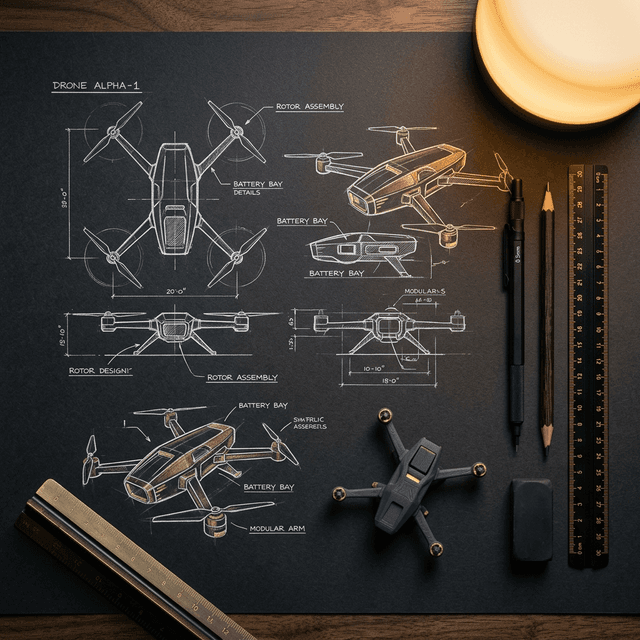
We keep a running list of ideas — some practical, some purely artistic. During our weekly design reviews, we pick one and spend an hour sketching possibilities. No screens yet. Just paper, markers, and debate.
This should exist, and it should be beautiful.
From digital to physical
The winning concepts move to digital prototyping. We use parametric design tools that let us adjust dimensions fluidly — changing a single parameter can reshape the entire object. This is where 3D printing shines: there are no tooling costs, so we can experiment freely.
Physical prototyping is where most ideas break. An object that looks perfect on screen might feel wrong in your hand. Too light. Too sharp at the edges. We print test pieces in draft quality — fast, rough prints that tell us whether the form factor works before we invest in a final print.
Living with the prototype
The jump from prototype to product involves material selection, finish testing, and packaging design. We test each product in real conditions for at least two weeks before launch. Does the pen holder actually hold pens well? Does the coaster feel premium when you set down a glass?
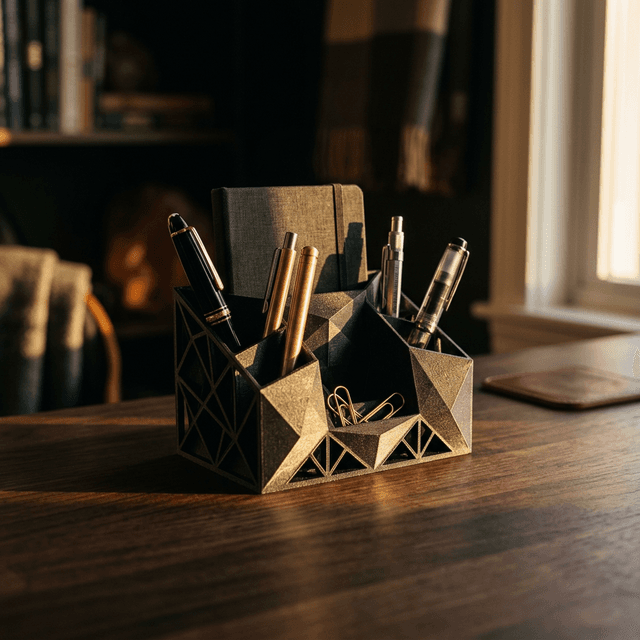
By the time a product reaches you, it's been through dozens of iterations, hundreds of hours of testing, and thousands of layers of refinement. That's what 'from idea to object' really means.