WhydoesnobodyinSriLankamakebeautiful,everydayobjectsusing3Dprinting?
A garage, a dream, a single spool
It started in a small garage in Colombo, with one 3D printer humming through the night. We weren't trying to build a brand — we were trying to answer a question that wouldn't leave us alone: why does nobody in Sri Lanka make beautiful, everyday objects using 3D printing?
The technology had been around for decades, but it was trapped in engineering labs and prototyping workshops. Nobody was using it to create things people actually wanted to own — objects that felt premium, intentional, and worth keeping on your desk or shelf.
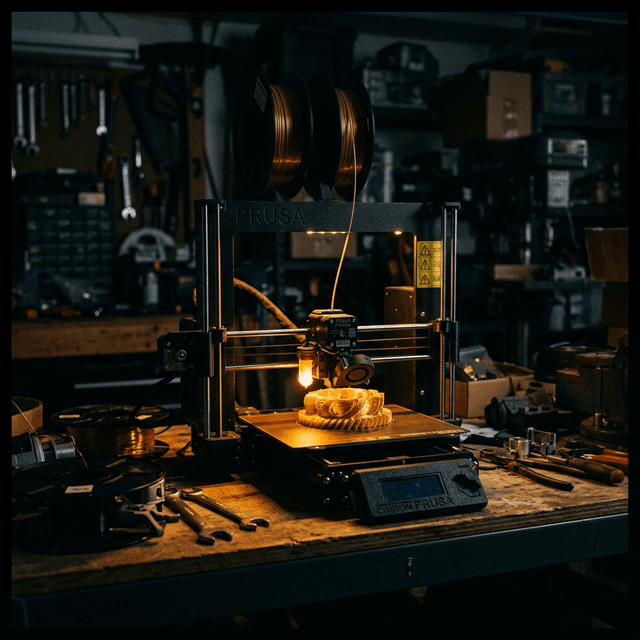
Why does nobody in Sri Lanka make beautiful, everyday objects using 3D printing?
Six months of beautiful failures
We spent six months printing failures. Warped vases. Brittle phone stands. Models that looked perfect on screen and disastrous in real life. Each failure taught us something about materials, temperatures, layer heights, and the invisible physics of additive manufacturing.
Then one day, a desk organizer came off the print bed and it was right. The layers caught the light in a way that felt deliberate. The weight was satisfying. The geometry was clean. We put it on a desk, stepped back, and realised — this is what we'd been looking for.
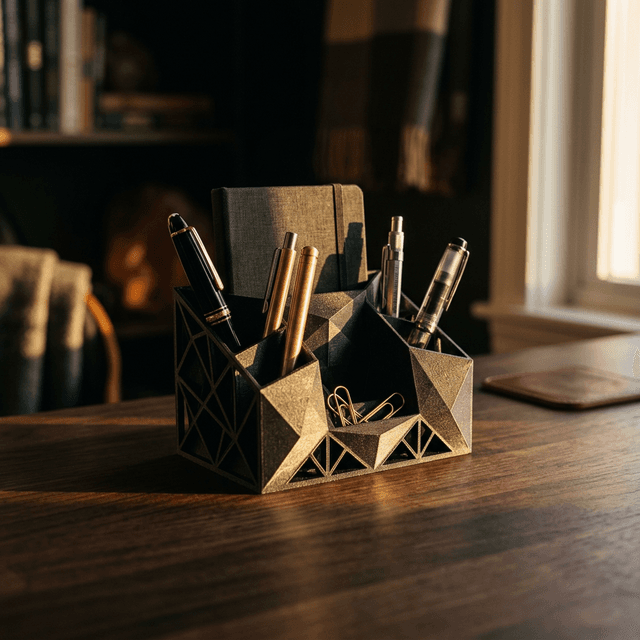
Technology meets soul
That's why Layerd exists. Not to sell 3D prints, but to prove that technology and craft aren't opposites. That a machine can produce something with soul. That every layer deposited with care is an act of creation, not just manufacturing.
Every layer deposited with care is an act of creation, not just manufacturing.
Today, every product we make carries that original spirit. We obsess over materials. We test relentlessly. We print slowly when we need to, because the surface finish matters more than the deadline. And we believe that Sri Lanka can build brands that compete on the world stage — not on price, but on design, intention, and story.